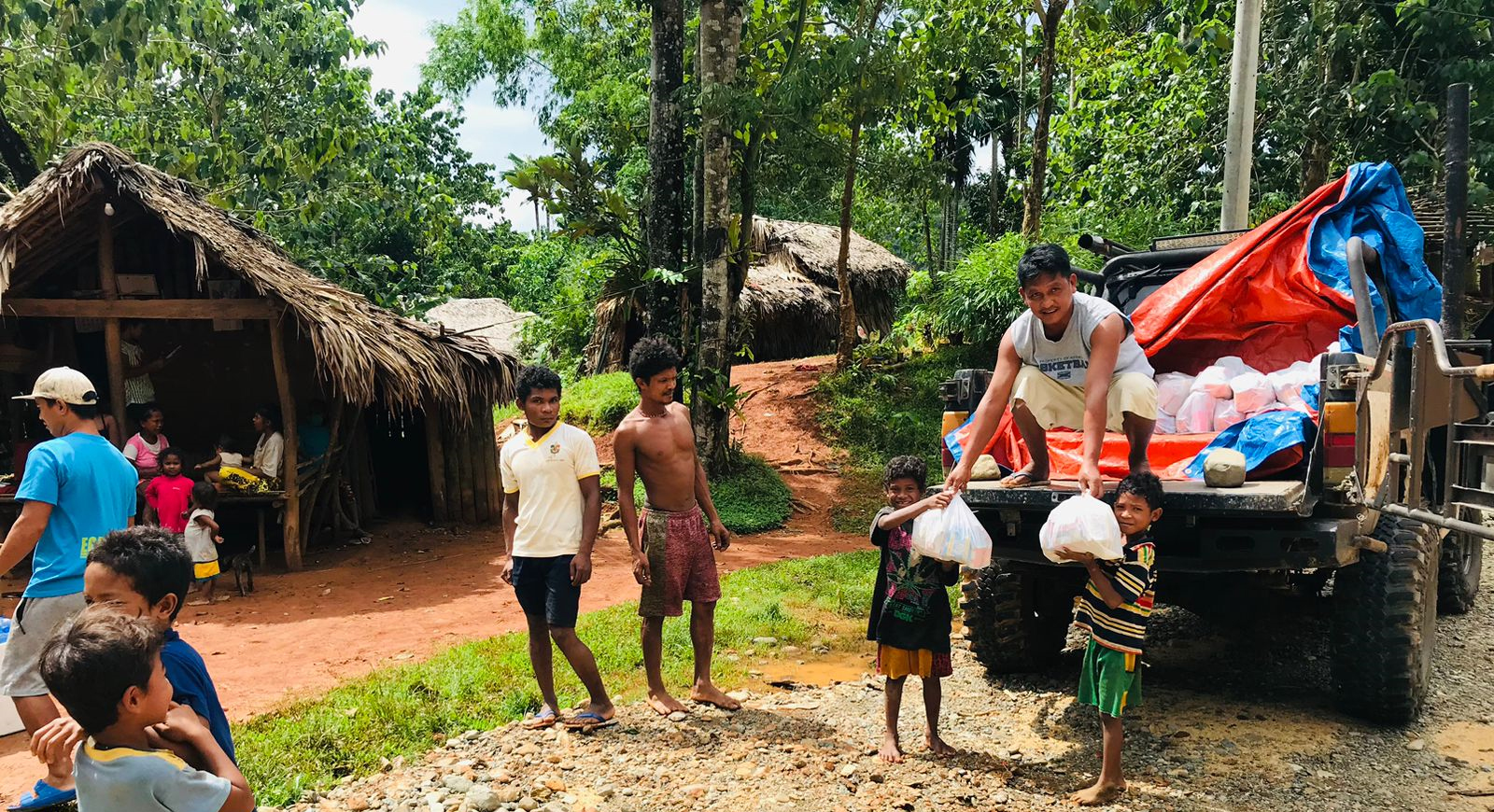
Disaster Preparedness, Relief and Recovery
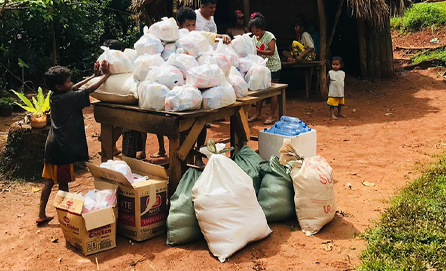
DESCRIPTION
Our Disaster Preparedness, Response and Recovery program strengthens community resilience through a comprehensive approach to disaster management. We work with local communities to build preparedness through training and education, provide immediate assistance during emergencies, and support long-term recovery efforts. Through partnerships with local government units and other organizations, we help our communities better prepare for, respond to, and rebuild from natural disasters. This program emphasizes both immediate relief and sustainable recovery, ensuring communities become more resilient with each challenge they face.
1. Objectives
Our program prepares communities by education and training, capacity building for individual and organizations, and maintaining emergency supplies, ensuring culturally sensitive response plans are in place. During disasters, we provide planned relief support to 300 families within the calamity window, working closely with local leaders to distribute essential aid. Our recovery phase helps 100 families yearly rebuild their lives through livelihood restoration while protecting their cultural heritage. By combining our foundation’s community understanding, government resources, and private sector support, we create a sustainable system that helps vulnerable communities become more resilient to disasters. This partnership ensures that those most at risk receive the support they need before, during, and after calamities.
Start Date: March 01, 2025
2. Deliverables
Preparedness
- Trained community teams
- Education for Weather Map Reading
- Emergency plans ready
- Supply stocks maintained
- Training records completed
Relief
- Relief packs ready
- Distribution system working
- Family records updated
- Partner coordination active
- Operation reports done
Recovery
- Family support plans
- Livelihood assistance
- Basic needs restored
- Progress tracked
- Community feedback recorded
Documentation
- Agreements signed
- Reports completed
- Photos/videos taken
- Money tracked
- Success stories shared
3. Schedule
Summer Phase
(March-May)
March: Select teams and train
April: Install systems and stock supplies
May: Final checks and updates
Pre-Typhoon (June-July)
- Team refresher training
- Check all supplies
- Partner meetings
Typhoon Season (August-December)
- Monitor weather
- Help affected areas
- Start recovery work
- Support communities
Planning (January-February)
January: Review last year
February: Plan next year
Monthly Tasks:
- Check supplies
- Meet teams
- Update partners
- Visit communities”
4. Success Criteria
Preparation
- 2 teams ready
- Systems working
- Supplies program implemented
- Plans in place
- 90% join drills
Response
- Within the calamity window
- 300 families helped
- Supplies ready
- Records clear
- 90% coverage
Recovery
- 100 families aided
- 80% back to work
- Papers complete
- People satisfied
- Partners active
Program Health
- Money well-spent
- Reports done
- Trust built
- Partners helping
Program Owner
The Greenheart Foundation Indigenous and Marginalized Communities Program Coordinator will lead the initiative, working closely with community leaders, government agencies, NGOs, and corporate partners. The program will also benefit from the expertise of local cultural and environmental experts.